Optimal Timing for Roof Drain Installations
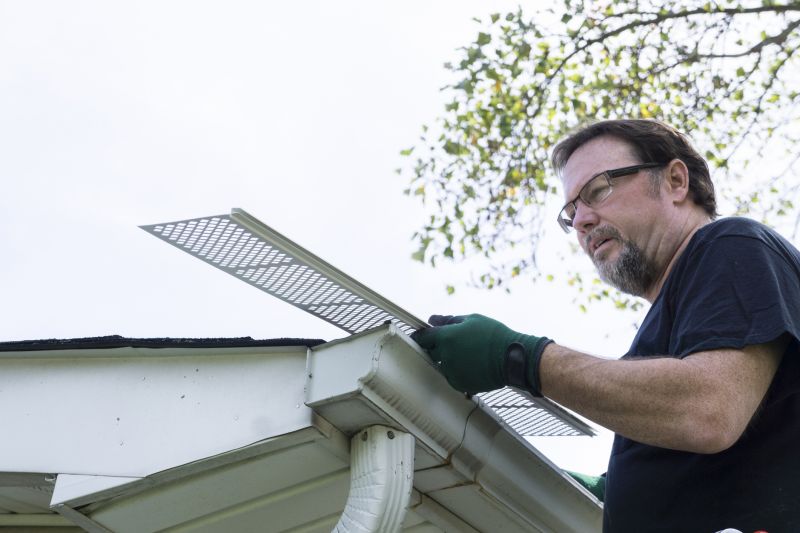
Dry seasons provide optimal conditions for roof drain installation, reducing the risk of delays caused by rain or moisture.
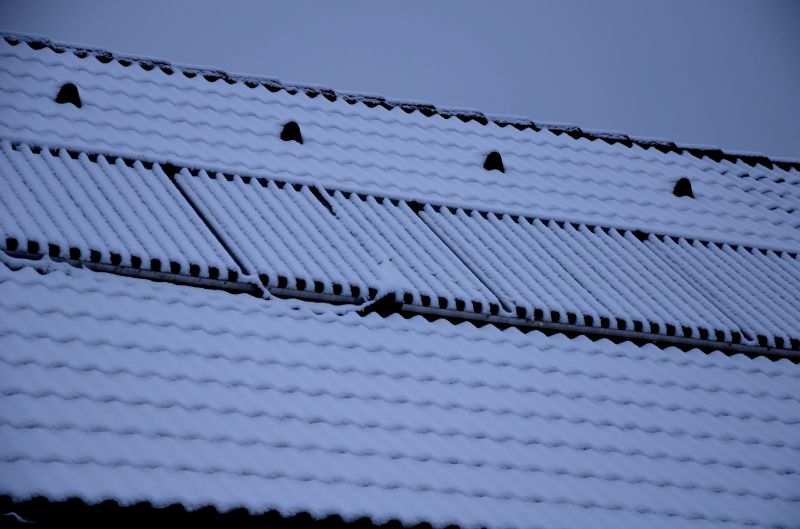
Cold weather and freezing temperatures can hinder installation processes and affect material performance, making winter less suitable.

Moderate temperatures and milder weather in spring and fall offer ideal conditions for installing roof drains efficiently.
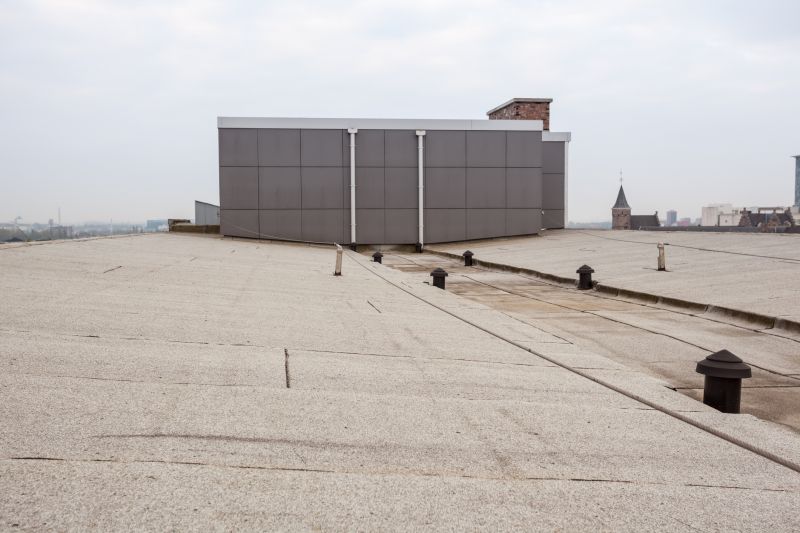
Ways to make Roof Drains Installations work in tight or awkward layouts.
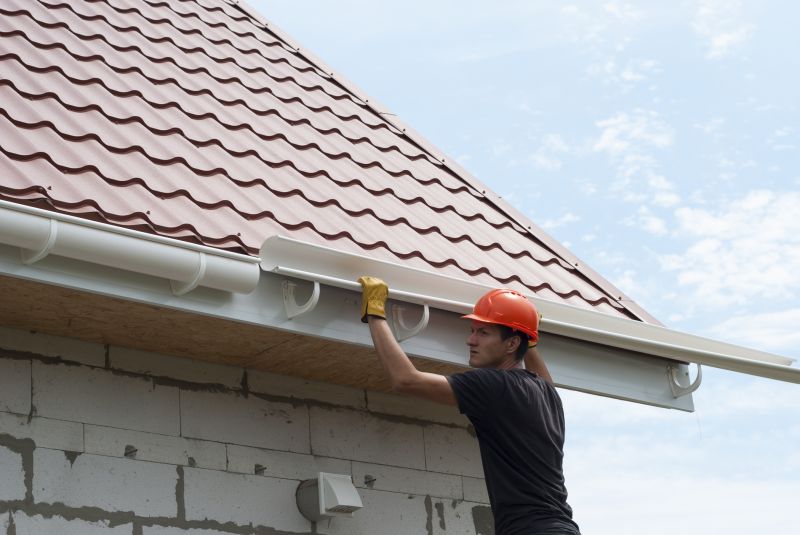
Popular materials for Roof Drains Installations and why they hold up over time.
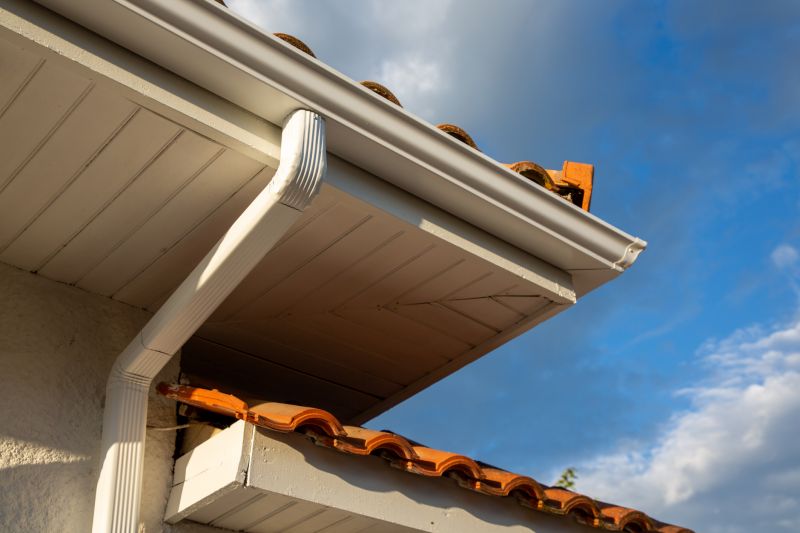
Simple add-ons that improve Roof Drains Installations without blowing the budget.
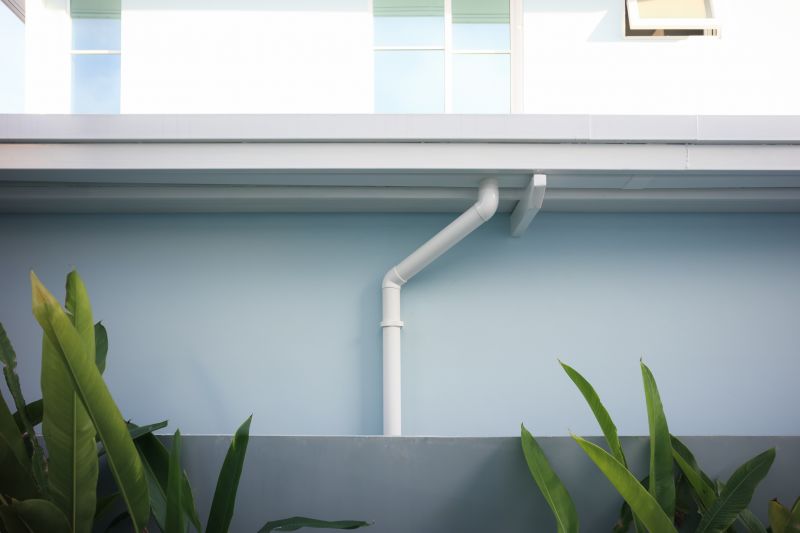
High-end options that actually feel worth it for Roof Drains Installations.
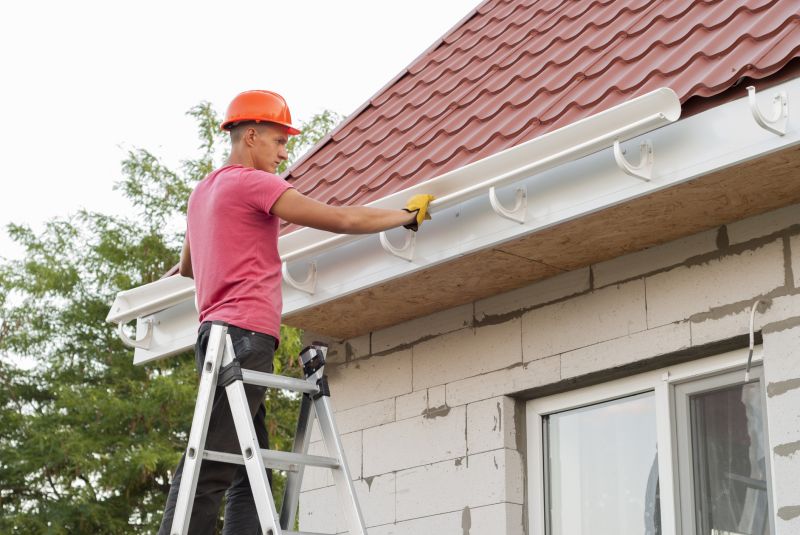
Finishes and colors that play nicely with Roof Drains Installations.
Roof drain installations are critical for effective water management on commercial and residential buildings. Proper timing ensures optimal installation conditions, minimizing potential issues such as leaks or improper drainage. The best time to install roof drains typically coincides with periods of stable weather, avoiding extreme cold or excessive rainfall. Accurate planning based on local climate patterns can lead to a more efficient installation process, reducing the likelihood of future maintenance problems.
Statistics indicate that installations performed during dry, moderate weather conditions tend to have higher success rates and longer-lasting performance. For example, installations in the spring and fall often experience fewer delays and less material-related issues. Properly timed installations can also help prevent costly repairs and ensure that drainage systems function effectively during heavy rain events, which are increasingly common in many regions.
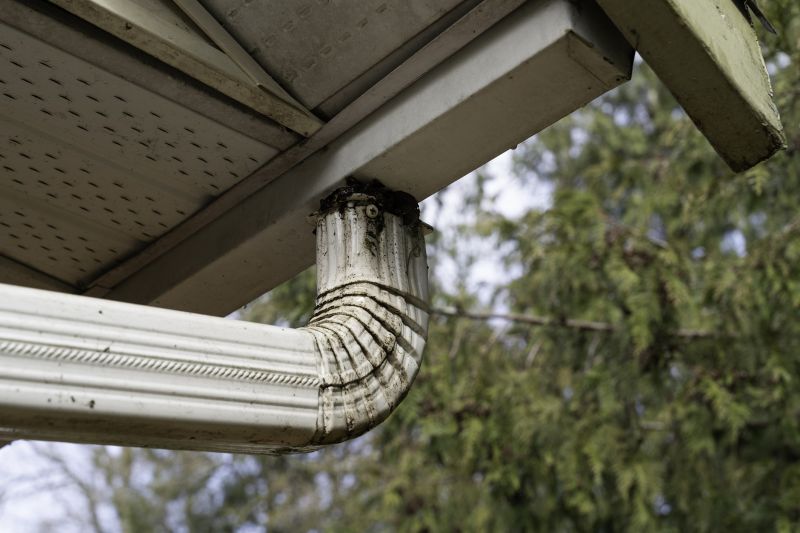
The process involves precise placement and secure attachment to ensure optimal water flow and prevent leaks.
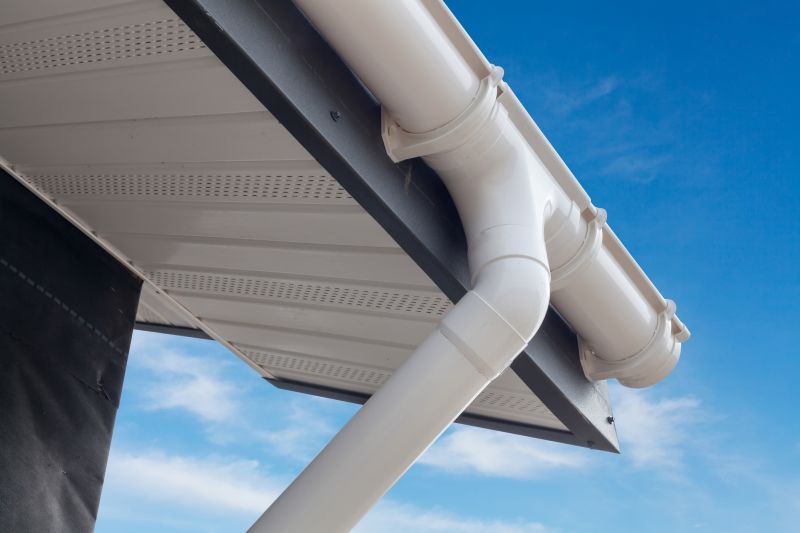
High-quality materials such as durable PVC or metal are used to withstand weather conditions and prolong system lifespan.
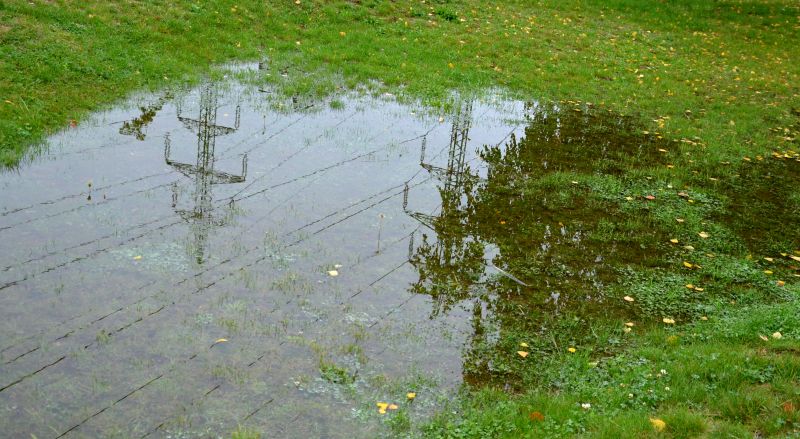
Weather delays, improper sealing, and incorrect slope are typical issues that can be avoided with proper timing.
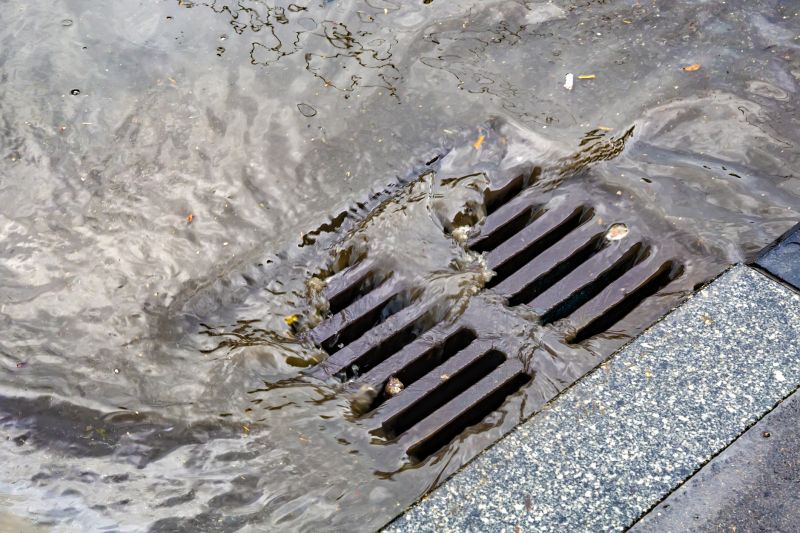
Regular inspections after installation help ensure continued performance and identify potential problems early.
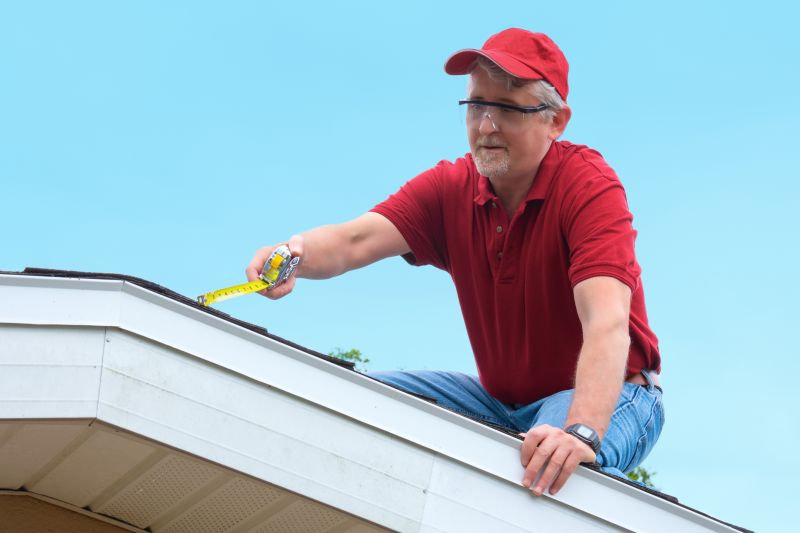
Little measurements that prevent headaches on Roof Drains Installations day.
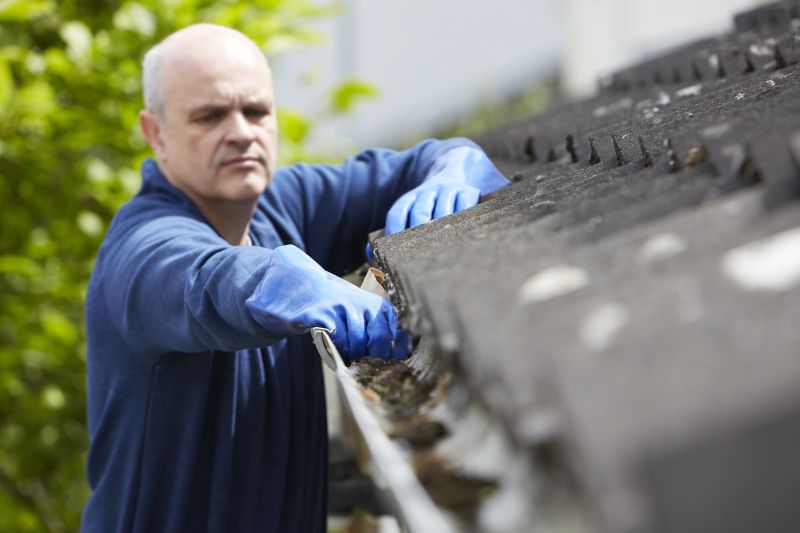
A 60-second routine that keeps Roof Drains Installations looking new.
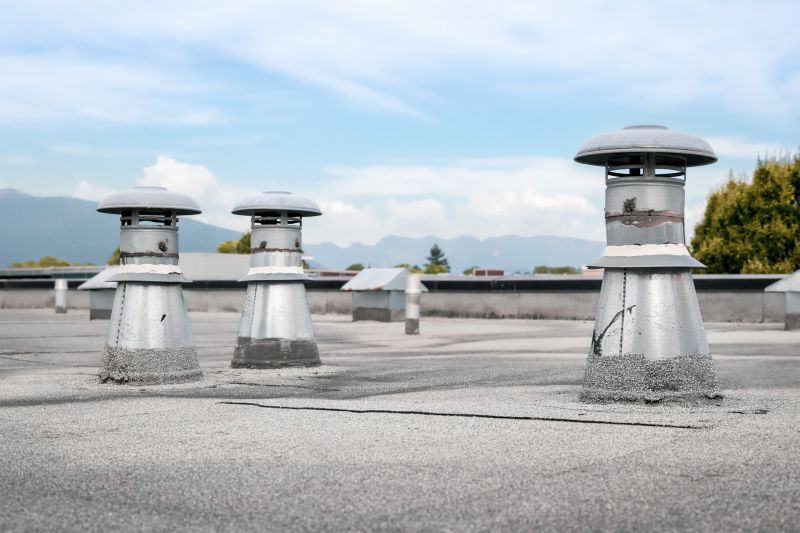
A frequent mistake in Roof Drains Installations and how to dodge it.
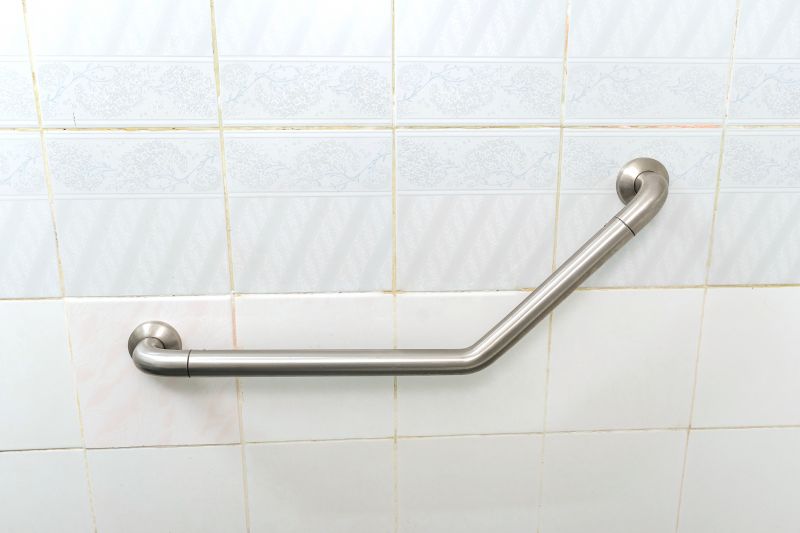
Small tweaks to make Roof Drains Installations safer and easier to use.
| Season | Ideal Conditions |
|---|---|
| Spring | Moderate temperatures, minimal rain |
| Summer | Warm weather, dry periods |
| Fall | Cooler temperatures, stable weather |
| Winter | Cold, freezing temperatures, high risk of delays |
Lower-waste or water-saving choices for Roof Drains Installations.
The short, realistic tool list for quality Roof Drains Installations.
Rough timing from prep to clean-up for Roof Drains Installations.